
Have you ever received a strange text claiming your package is stuck or your bank account is locked? Learning to recognize a smishing scam can save you from losing money or personal information. Smishing is simply phishing that arrives by text message, and it is growing fast. In this simple guide, you will learn how to recognize a smishing scam so you can delete these dangerous texts with confidence.
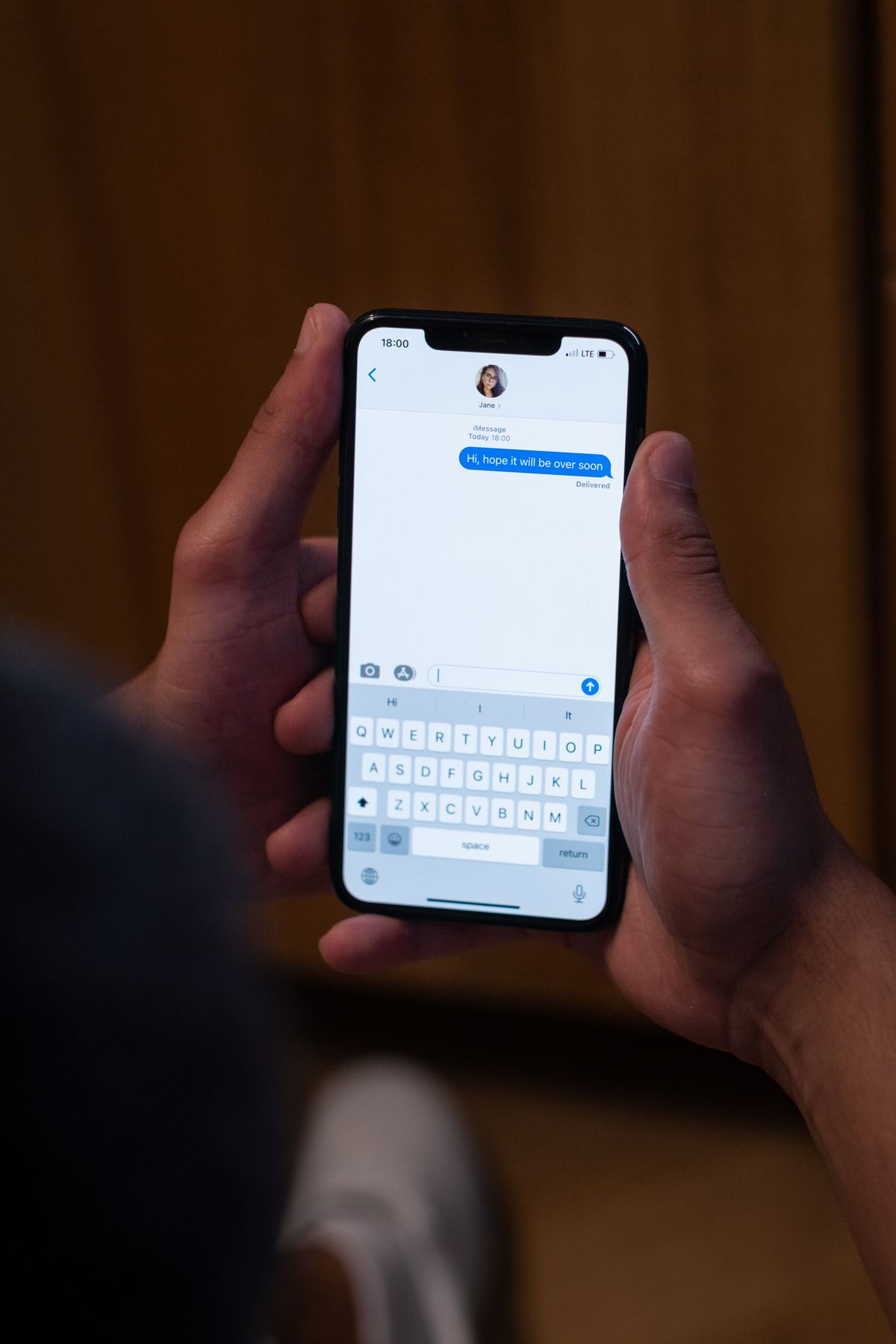
The word “smishing” combines “SMS” and “phishing.” These scams try to trick you into tapping a link, calling a fake number, or handing over passwords and card details. Because a text feels personal and urgent, many people react before they think, which is exactly what the scammer wants. Common disguises include fake delivery notices, phony bank alerts, prize announcements, and messages pretending to come from a government agency. Each one is engineered to create a moment of panic.
Why It Is Important to Recognize a Smishing Scam
A single tap on a bad link can install malware or lead to a fake login page that steals your details. When you can recognize a smishing scam early, you stop the attack before it starts. These text scams are close cousins of email fraud, so our guide on how to spot phishing emails covers many of the same warning signs.
Scammers cast a wide net, sending millions of texts and hoping a few people respond. The only real defense is knowing what these messages look like. Once you learn the pattern, the tricks become surprisingly easy to see through, no matter which brand or agency the scammer pretends to be. The wording changes, but the underlying playbook almost never does.
- An urgent tone that pressures you to act right now
- A link with a strange or shortened web address
- Requests for passwords, card numbers, or verification codes
- A sender you do not recognize or an odd looking phone number
- Spelling and grammar mistakes in an “official” message
Common Signs That Help You Recognize a Smishing Scam
The biggest clue is urgency. Messages that say “act now” or “your account will be closed today” are designed to make you panic. Real companies rarely demand instant action by text, and they never threaten to close your account within hours. Legitimate businesses give you time and multiple ways to respond. Slow down and ask whether the message actually makes sense for you. If you have no package on the way, a “delivery problem” text is an obvious red flag.
Next, look at the link. Scam links often use random letters, misspelled brand names, or unusual endings instead of the company’s real website. Never tap a link in an unexpected text. If a message claims to be from your bank, open the official app or type the web address yourself instead of trusting the link. A few seconds of caution here can save you weeks of cleanup later, including frozen cards, changed passwords, and stressful calls to your bank’s fraud department.
Watch for requests for codes or passwords. No legitimate company will ever text you asking for your password or a one-time code. Protecting your accounts with two-factor authentication adds a strong extra layer even if a scammer somehow gets your password.
What to Do When You Recognize a Smishing Scam
Do not reply, do not tap the link, and do not call the number. Replying, even to say “stop,” tells the scammer your number is active and invites more messages. Blocking the sender afterward stops that specific number from trying again. The safest move is to delete the text after you recognize a smishing scam for what it is.
You can also report it. In many countries you can forward spam texts to your carrier’s reporting number. Take a screenshot before deleting if you want to report it later. Staying alert to these tricks is part of good digital habits, and our guide on how to avoid online scams rounds out your defenses across email, web, and text.
If you want authoritative guidance, the U.S. Federal Trade Commission keeps a clear, up-to-date page on text scams. You can read it directly at the FTC page on spam text messages for more help.
Quick Recap
To wrap up, you can recognize a smishing scam by watching for urgency, strange links, and requests for passwords or codes. Never tap a link in an unexpected text, and open the company’s official app instead. If you recognize a smishing scam, delete it, avoid replying, and report it to your carrier when you can. Pair these habits with two-factor authentication for real protection. Stay calm, recognize a smishing scam before you react, and keep your money and personal information safe.

Daniel Vivone is a technology writer who specializes in making complex tech simple for everyday readers. At iotechblog, he covers digital security, artificial intelligence, smartphone tips, and beginner-friendly software tutorials, turning confusing concepts into clear, practical, step-by-step guides. Passionate about helping people use technology more safely and confidently, Daniel focuses on real-world advice that anyone can follow, no technical background required.